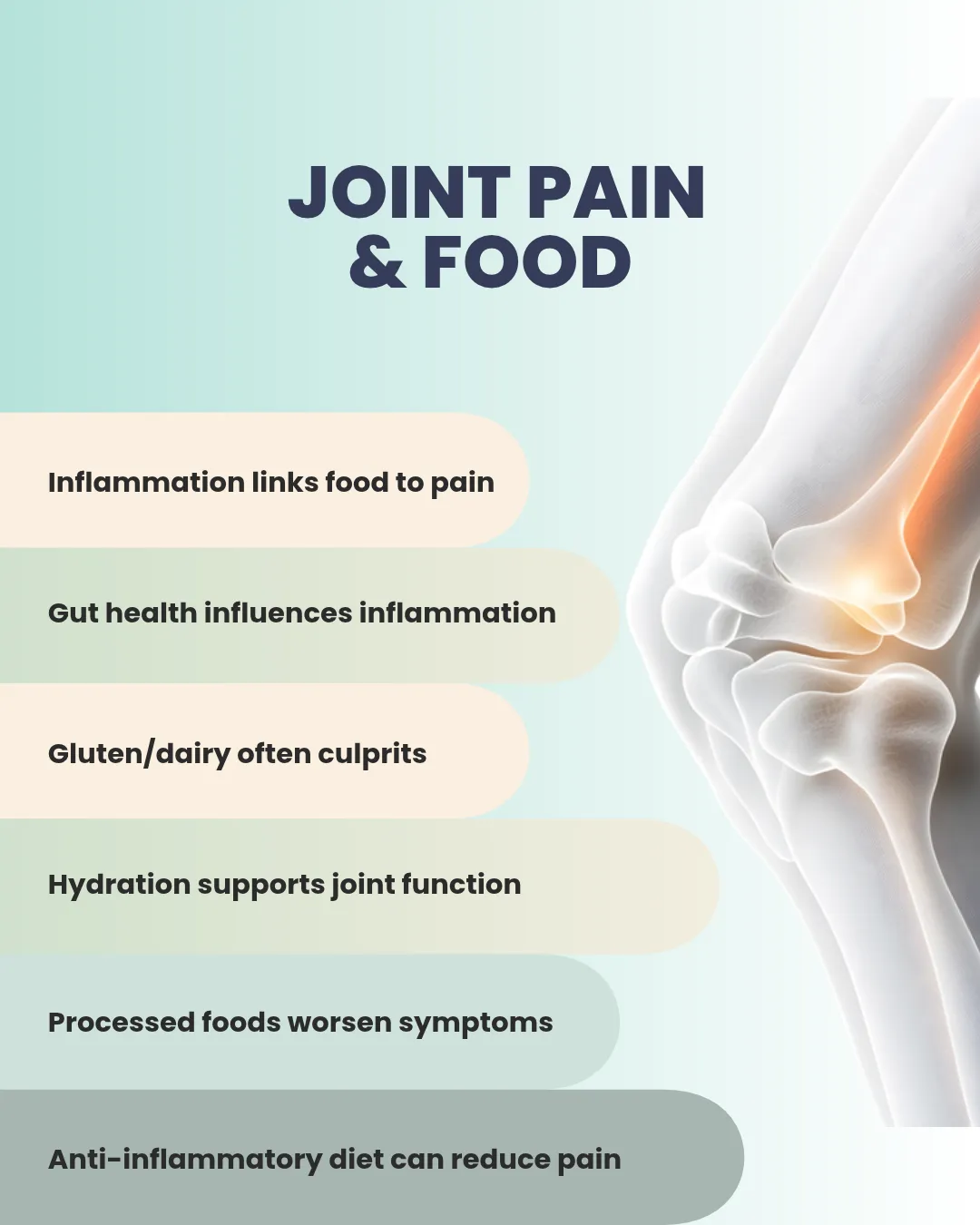
How Food Choices Impact Joint Pain
Understanding the Connection Between Joint Pain and Food
Joint pain can be a bothersome issue that affects people of all ages. While there are many causes of joint pain, one aspect we often overlook is our diet. The foods we choose to eat can have a significant impact on how our joints feel. Let's explore how different aspects of our diet might influence joint pain and what steps we can take to alleviate it.
The Link Between Inflammation and Food
Inflammation is a natural process in the body, but when it becomes chronic, it can lead to joint pain. Certain foods can trigger inflammation, making joint pain worse. Understanding which foods contribute to inflammation can help us make better dietary choices.
The Role of Gut Health
Our gut health has a big influence on inflammation throughout the body. When the gut is unhealthy, it can lead to increased inflammation, contributing to joint pain. Maintaining a healthy gut can be an important step in managing pain.
How to Improve Gut Health:
- Include probiotics from yogurt or fermented foods.
- Avoid excessive sugar and processed foods.
- Eat a diet high in fiber from fruits and vegetables.
Gluten and Dairy: Common Culprits
Gluten and dairy are often linked with inflammation. Many people find that reducing or eliminating these from their diet helps reduce joint pain. This doesn't mean everyone has to give up bread and milk, but being mindful of how these foods affect one's body is key.
Steps to Identify Food Sensitivities:
- Keep a food diary to track what triggers symptoms.
- Try an elimination diet to identify problematic foods.
- Consult a healthcare professional for personalized advice.
Hydration and Joint Health
Staying hydrated is essential for joint health. Water helps lubricate joints and can help reduce pain. Dehydration can exacerbate joint issues, so drinking enough water daily is important.
Hydration Tips:
- Aim for at least eight 8-ounce glasses of water per day.
- Limit caffeinated drinks that might dehydrate the body.
- Drink more water in hot weather or when exercising.
The Impact of Processed Foods
Processed foods are often high in sugars and unhealthy fats, which can worsen inflammation. Reducing the intake of these foods can help control joint pain.
Simple Changes to Reduce Processed Foods:
- Cook meals at home using whole ingredients.
- Choose whole grain options over refined grains.
- Snack on fruits, nuts, and seeds rather than processed snacks.
Adopting an Anti-Inflammatory Diet
An anti-inflammatory diet can be highly effective in reducing joint pain. This involves eating fresh, whole foods that naturally fight inflammation.
Key Elements of an Anti-Inflammatory Diet:
- Rich in omega-3 fatty acids found in fish and flaxseeds.
- High in colorful fruits and vegetables for antioxidants.
- Includes spices like turmeric and ginger known for anti-inflammatory properties.
Choosing what we eat carefully can have a profound effect on joint health. By understanding the types of foods that can cause or alleviate pain, we can take proactive steps to live healthier, more comfortable lives.
Remember, before making significant changes to your diet, it's wise to speak to a healthcare provider who understands your unique health needs.