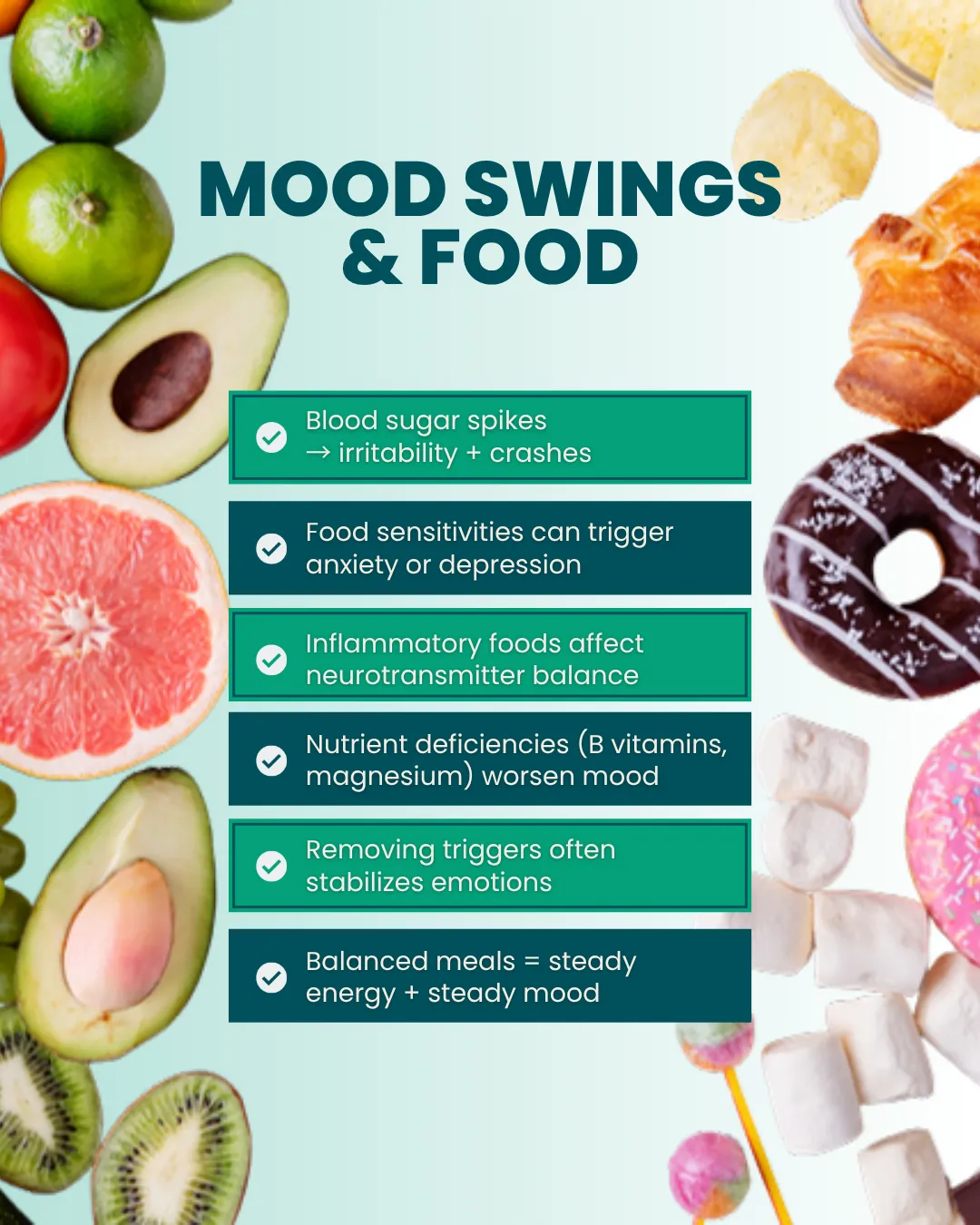
How Food Choices Affect Mood Swings
Understanding the Connection Between Food and Mood Swings
Many people experience mood swings from time to time, but did you know that what they eat might be playing a role? Our diets can directly affect our emotions by influencing brain chemistry, energy levels, and even neurotransmitter balance. By understanding these connections, we can make healthier choices that support a steadier mood.
1. Blood Sugar Spikes and Mood
One key factor in mood swings is blood sugar levels. When a person consumes foods high in sugar, their blood sugar levels can spike, leading to short-term energy. However, this is often followed by a crash, which can cause irritability and fatigue.
- Tip: Opt for whole grains and balanced meals to keep blood sugar levels stable.
2. The Role of Food Sensitivities
Another hidden trigger for mood swings can be food sensitivities. Some individuals are sensitive to certain foods, which can lead to symptoms like anxiety or depression.
- Tip: Keeping a food diary can help identify foods that trigger emotional discomfort.
3. Inflammatory Foods
Foods that cause inflammation in the body can also affect mood. These include processed foods, fast foods, and foods high in trans fats. Inflammation can interfere with neurotransmitter balance and brain function.
- Tip: Emphasize anti-inflammatory foods like leafy greens, nuts, and fish.
4. Nutrient Deficiencies
Deficiencies in essential nutrients such as B vitamins and magnesium can worsen mood swings. These nutrients are crucial for maintaining brain health and mood regulation.
- Tip: Eating a variety of fruits, vegetables, and lean proteins can help prevent these deficiencies.
5. Removing Triggers
Identifying and removing dietary triggers can often help stabilize emotions. Once these triggers are removed, it's common to see improvements in mood stability.
- Tip: Gradually remove one potential trigger at a time to observe changes.
6. The Importance of Balanced Meals
Balanced meals contribute to steady energy and mood. Each meal should ideally include a mix of carbohydrates, protein, and healthy fats to provide consistent energy levels throughout the day.
- Tip: Practice meal prepping to ensure healthier meal choices are readily available.
Bringing It All Together
By paying close attention to diet and its effects on mood, individuals can take proactive steps to mitigate mood swings. This starts with understanding the impact of sugars, food sensitivities, inflammatory foods, and nutrient intake on the brain and overall emotional well-being. Implementing small changes can have a significant positive impact on both mental and physical health. Remember, sustainable changes in diet often lead to the most lasting improvements in mood and general well-being.