The Essential Role of Protein in Your Diet
The Essential Role of Protein in Your Diet
Protein is a fundamental building block of life. It plays a crucial role in keeping our bodies functioning correctly. Understanding the benefits of protein can help guide healthier eating habits.
What is Protein?
Proteins are made up of amino acids, which are essential for our health. There are 20 different amino acids, and nine of these are considered essential, meaning our bodies cannot produce them on their own. We must get them from the food we eat.
Benefits of Protein
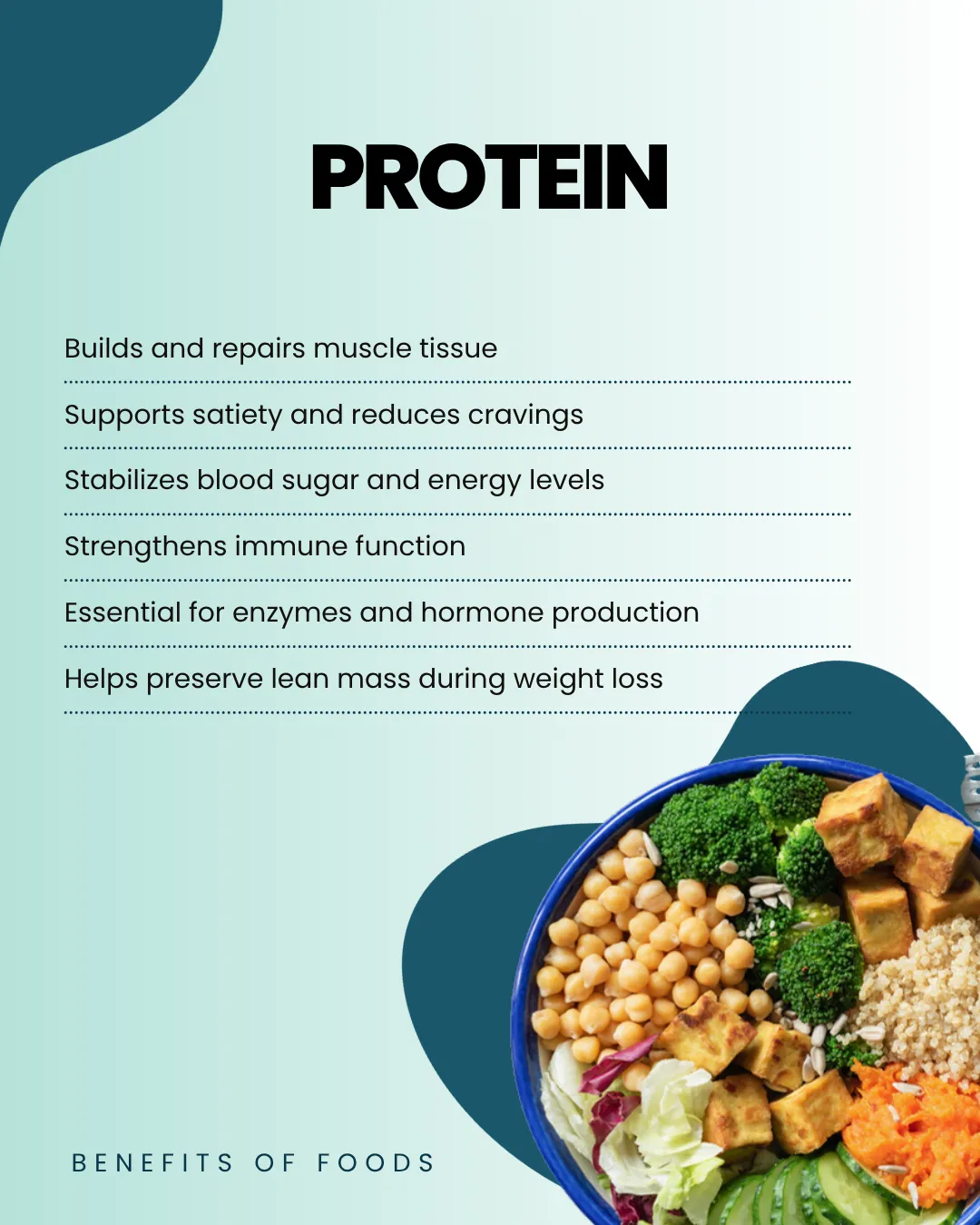
1. Builds and Repairs Muscle Tissue
Protein is well-known for its role in building and repairing muscles. When you exercise, you create small tears in your muscle tissue. Protein helps repair these tears, making your muscles stronger and more toned over time.
2. Supports Satiety and Reduces Cravings
Protein is excellent at helping you feel full, which can reduce cravings and prevent overeating. Including protein in your meals and snacks can help you stay satisfied longer.
3. Stabilizes Blood Sugar and Energy Levels
Eating protein can help maintain steady energy levels throughout the day. It slows the release of sugar into the bloodstream, preventing spikes and crashes in blood sugar levels.
4. Strengthens Immune Function
Your immune system relies on proteins to create antibodies, which are essential for fighting infections. A diet rich in protein can help you stay healthy and recover quicker from illnesses.
5. Essential for Enzymes and Hormone Production
Enzymes, which do critical work in our bodies, are made of protein. Hormones that regulate various body functions are also protein-based. This makes protein essential for many bodily processes.
6. Helps Preserve Lean Mass During Weight Loss
When you are trying to lose weight, it's important to preserve lean mass, such as muscle. A diet rich in protein can help maintain these tissues while supporting fat loss.
Sources of Protein
- Lean Meats: Chicken, beef, turkey, and pork are excellent sources of protein.
- Fish: Salmon, tuna, and trout are rich in protein and healthy omega-3 fatty acids.
- Eggs: A complete source of protein that is easy to prepare.
- Dairy: Milk, cheese, and yogurt provide both protein and calcium.
- Legumes: Chickpeas, lentils, and beans are excellent plant-based protein sources.
- Nuts and Seeds: Almonds, walnuts, and sunflower seeds provide both protein and healthy fats.
How Much Protein Do You Need?
The amount of protein a person needs varies depending on age, sex, and activity level. On average, an adult should aim for about 46-56 grams of protein per day. Athletes or more active individuals may require more.
Conclusion
Protein is an essential nutrient that supports growth, maintenance, and overall health. Including a variety of protein sources in your diet can help you enjoy these benefits. As always, balance your diet with other essential nutrients to maintain optimal health.